
What Is the Best Material for Canvas Prints? (Complete Buyer’s Guide)
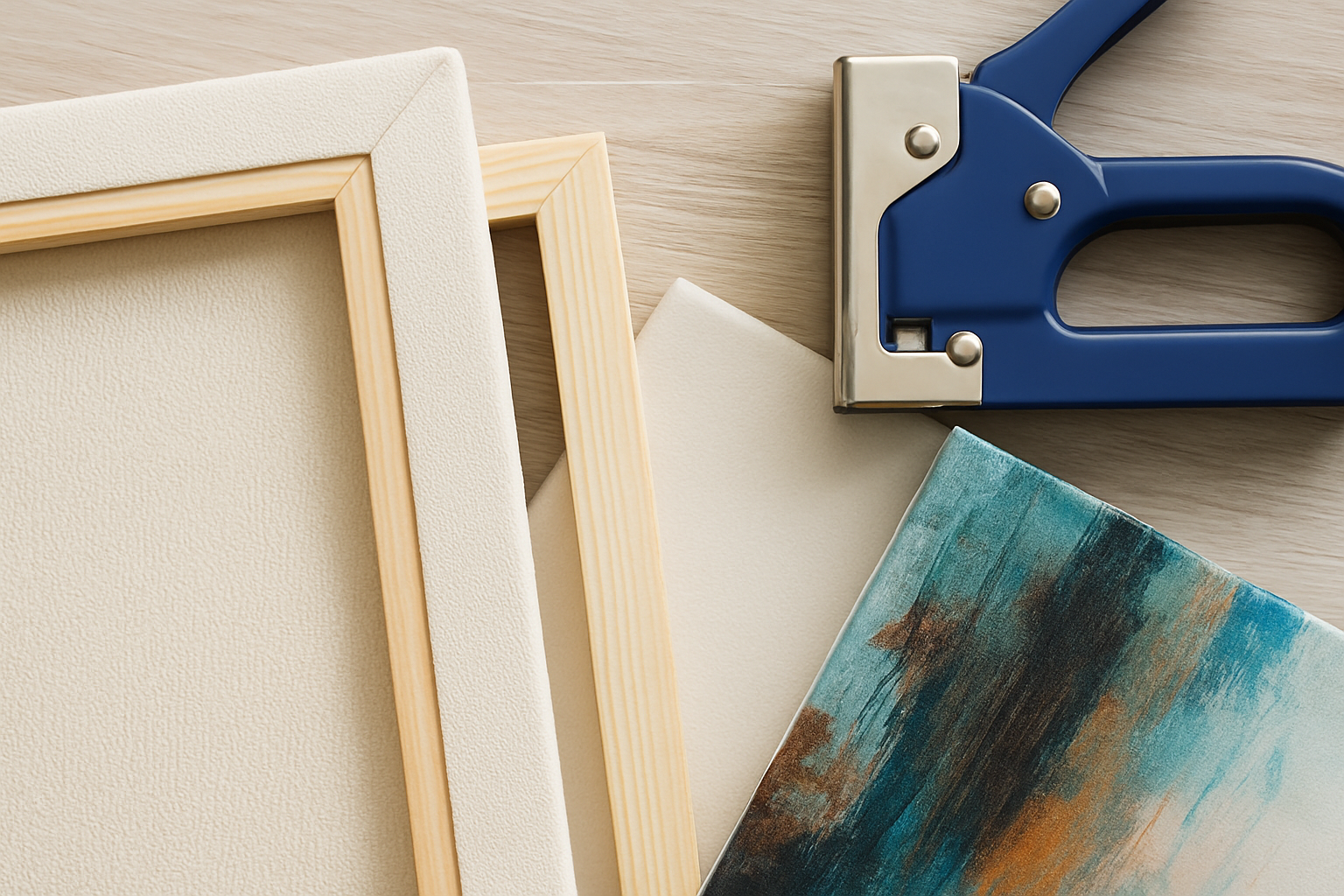
Canvas prints are one of the most popular ways to bring personality, color, and character into a space. But not all canvas prints are created equal. The material you choose directly affects the print’s durability, sharpness, texture, and overall appearance.
So—what is the best material for canvas prints?
In this guide, we’ll break down the most common canvas materials, how they compare, and which is best depending on your needs.
Quick Answer: The Best Material for Canvas Prints
For most buyers, the best canvas material is poly-cotton blend canvas.
It offers the perfect balance of:
Vibrant color reproduction
A high-quality textured finish
Long-term durability
Resistance to cracking or fading
But depending on your style and budget, other options may be better.
1. Common Materials Used for Canvas Prints
1. Cotton Canvas
Cotton (also known as artist-grade canvas) is one of the highest-quality materials available.
Pros
Natural, luxurious texture
Rich and deep color absorption
Smooth finish that enhances fine details
Museum-quality look
Cons
More expensive
Can shrink or loosen over time in humid climates
Colors may appear slightly softer than on synthetic blends
Best For:
Fine art reproductions, high-end photography, gallery-quality prints.
2. Polyester (Poly) Canvas
Poly canvas is made from synthetic fibers engineered for durability and color vibrancy.
Pros
Very bright and vivid colors
More affordable
Highly resistant to shrinkage and humidity
Great for large prints
Cons
Texture can appear more uniform and less “artistic”
Not as breathable as cotton
Best For:
Modern art, bold colors, budget-friendly prints, large-scale wall art.
3. Poly-Cotton Blend Canvas (Best Overall)
A blend of cotton and polyester combines the best benefits of each.
Pros
Excellent color vibrancy
Strong, durable, and resistant to warping
More natural texture than pure polyester
Retains details beautifully
Less expensive than full cotton
Cons
Not quite as premium as 100% cotton
Best For:
Most buyers — it provides premium quality without the premium price.
2. Canvas Weight & Texture: Why They Matter
When choosing canvas material, pay attention to:
Canvas Weight (measured in GSM)
300+ GSM = high-quality, durable canvas
400+ GSM = professional, gallery-grade
Heavier canvas feels more substantial and holds color better.
Texture (also called “tooth”)
More texture gives a painterly, artistic feel.
Smoother textures work better for photography.
3. Print Quality Factors (Beyond the Material)
Even the best canvas material won’t look great without proper printing craftsmanship.
Here are other essentials to check:
✔️ Ink Quality (Pigment vs. Dye)
Pigment inks last longer (up to 100+ years), resist fading, and offer rich color.
Dye inks are cheaper but fade faster.
✔️ Frame Construction
Look for kiln-dried or solid wood frames that won’t warp.
✔️ Protective Coating
A UV-resistant coating helps preserve vibrancy and prevents scratches.
✔️ Edge Finish
Gallery wrap (image wrapped around edges)
Mirrored edges
Solid color edges
4. Which Canvas Material Should You Choose?
Here’s a simple guide:
Your PriorityBest Canvas MaterialHighest image detail + luxury100% CottonBold, vivid colorsPolyesterBest all-around qualityPoly-Cotton BlendBudget-friendlyPolyesterFine art reproductionsCottonLarge format printsPolyester or Poly-Cotton
5. Final Thoughts
If you're looking for the perfect balance of quality, durability, and cost, a poly-cotton blend is the best material for canvas prints.
However, if you're seeking a more premium, fine-art feel, 100% cotton canvas offers unmatched texture and depth.
Before purchasing, always consider:
The printing process
Ink longevity
Frame quality
Texture and finish
Choosing the right material ensures your canvas print stays vibrant, beautiful, and timeless for years to come.
