
What Is Abstract Expressionism? A Beginner-Friendly Guide
Introduction
Abstract Expressionism is one of the most influential art movements of the 20th century—bold, emotional, and often misunderstood. If you’ve ever looked at a splash of color on a canvas and wondered, “Why is this considered art?” this guide is for you. Whether you're an art beginner, a home-decor enthusiast, or someone considering abstract expressionist wall art, this article breaks everything down in a clear, friendly way.
What Is Abstract Expressionism?
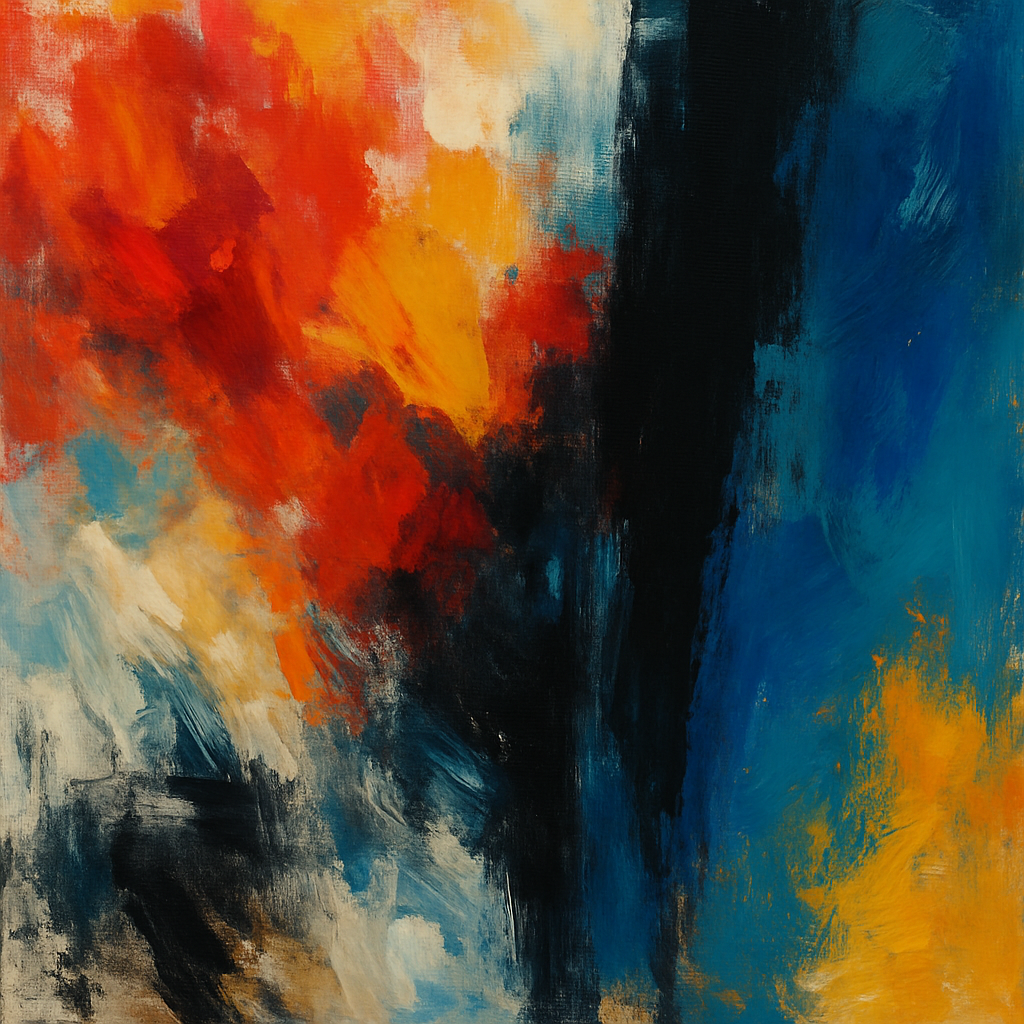
Abstract Expressionism is an art movement that emerged in the 1940s and 1950s in New York City. It’s defined by spontaneity, emotion, and non-representational forms—meaning the artwork often doesn’t depict a recognizable object.
Instead of painting things as they appear, artists paint how things feel.
Key characteristics include:
Large-scale canvases
Energetic brushstrokes or drips
Strong emphasis on color and movement
Personal expression over realistic representation
A sense of freedom, chaos, or raw emotion
Abstract Expressionism is less about what you see and more about what you experience.
Why Did Abstract Expressionism Start?
After World War II, many artists felt traditional artistic rules were too limiting for expressing their emotions and the changing world around them. New York became a center for creativity, and artists began experimenting with:
New painting techniques
Unconventional materials
The idea that the act of painting itself is art
This shift marked the rise of America's first major art movement—a turning point that made New York a new epicenter of modern art.
Famous Abstract Expressionist Artists
Knowing the big names helps you understand the movement's range. Here are a few leaders:
Jackson Pollock
Known for his drip paintings, Pollock laid canvases on the floor and poured or flicked paint to create dynamic webs of color.
Mark Rothko
Rothko painted large blocks of color that seem to glow. His works feel meditative and emotional, even though they look simple.
Willem de Kooning
His style mixes abstraction and figuration with aggressive, expressive brushstrokes.
Helen Frankenthaler
A pioneer of “soak-stain” painting, she poured diluted paint onto raw canvas, letting colors seep and blend.
Styles Within Abstract Expressionism
Although unified by emotion and abstraction, the movement includes two major styles:
1. Action Painting
Focuses on the physical act of painting—splashing, dripping, brushing with intensity.
Artists: Jackson Pollock, Willem de Kooning
2. Color Field Painting
Uses large areas of color to evoke calm, emotion, or contemplation.
Artists: Mark Rothko, Barnett Newman
Why People Love Abstract Expressionist Wall Art
This style is extremely popular in modern interior design. Here’s why:
Versatile: Works in minimalist, modern, boho, and eclectic spaces.
Emotional: Adds mood, drama, or calmness depending on colors.
Conversation-starting: Each viewer interprets the piece differently.
Timeless: Even decades later, the style feels modern and relevant.
If you're decorating your home, abstract expressionist prints can instantly elevate a room.
How to Choose Abstract Expressionist Wall Art
Here are a few tips for selecting the right piece:
Pick artwork based on mood
Blues & neutrals → calming
Reds & oranges → energizing
Blacks & whites → bold and modern
Match the scale to your space
Large wall art works beautifully above a sofa, bed, or dining area.
Stick with your color palette
Choose pieces that blend or contrast with your existing decor.
Know the style you prefer
If you like motion → action painting style
If you like minimalism → color field style
Final Thoughts
Abstract Expressionism may seem chaotic at first glance, but its beauty lies in its emotion and freedom. It's a movement that invites you to connect with art on a personal level—whether you're an enthusiast, a beginner, or simply looking for expressive wall art to brighten your home.
