
The History of Botanical Wall Art & Why It’s Trending Now
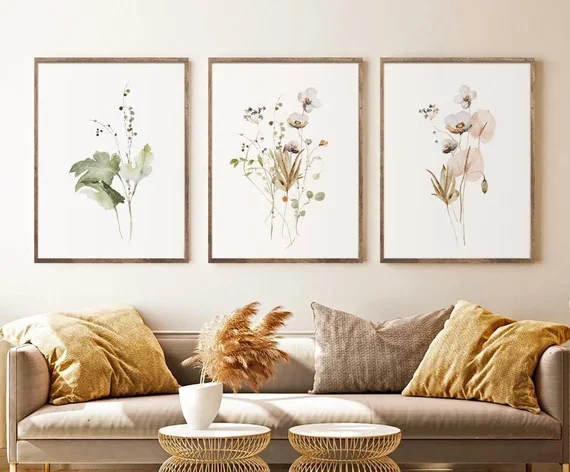
Botanical wall art has quietly become one of the biggest décor trends of the last few years—but it’s far from new. These leafy, floral illustrations have centuries of history behind them, blending scientific accuracy with artistic beauty. Today, they’re appearing everywhere from minimalist apartments to eclectic gallery walls. So why now? And where did it all begin?
Let’s explore the fascinating journey of botanical art and why it’s having such a major comeback.
🌿 What Exactly Is Botanical Wall Art?
Botanical wall art refers to illustrations, prints, or paintings that depict plants, flowers, herbs, and fungi. Unlike generic floral patterns, traditional botanical art focuses on scientific precision—showing the plant in a way that’s both beautiful and botanically accurate.
Think:
Delicate fern sketches
Detailed rose diagrams
Vintage herbarium-style prints
Lush watercolor plant studies
These images capture the natural world with elegance and clarity.
📜 A Brief History of Botanical Art
1. Ancient Beginnings
Botanical art traces back to ancient civilizations like Egypt, Greece, and China, where plants were illustrated for medicinal texts. These early works were practical: they helped identify healing herbs and ingredients.
2. The Middle Ages & Herbal Manuscripts
During the medieval period, monks created illuminated herbals—hand-drawn plant books used for medicine. Though beautiful, their accuracy varied (sometimes more fantasy than fact).
3. The Renaissance: Art Meets Science
With the rise of scientific exploration, artists were hired to draw plants with precision. Botanical illustration became a respected discipline, bridging art and biology.
Famous contributors include:
Leonardo da Vinci (detailed plant studies)
Albrecht Dürer (highly realistic nature drawings)
4. The Golden Age (17th–19th Century)
This era produced the most famous botanical prints we see today. Explorers brought exotic plants from around the world, sparking fascination.
Notable artists:
Maria Sibylla Merian – Known for combining plants and insects creatively
Pierre-Joseph Redouté – Called the “Raphael of Flowers,” celebrated for his iconic rose illustrations
These works became both scientific tools and fashionable décor among European aristocracy.
5. 20th Century to Today
Photography and modern printing made botanical art widely accessible. Today, vintage botanical prints are digitized and reproduced for homes, studios, and offices—bringing history into modern interiors.
🌱 Why Botanical Wall Art Is Trending Now
Botanical wall art has surged in popularity—and for good reason.
1. A Need for Nature Indoors
People are craving calm, organic elements in their living spaces. Botanical prints bring:
Soft, natural colors
A connection to the outdoors
A sense of serenity
They complement popular trends like biophilic design, indoor plants, and natural materials.
2. Perfect for Any Interior Style
Botanical art works beautifully with:
Minimalist décor
Scandinavian interiors
Farmhouse or cottagecore styles
Modern living rooms
Vintage or eclectic gallery walls
It’s timeless and incredibly versatile.
3. Budget-Friendly & Easy to Style
Printed botanical art is affordable—often under $30—and looks high-end when paired with:
Thin black frames
Antique-style gold frames
Matching gallery wall layouts
It adds instant sophistication without a big makeover.
4. The Vintage Revival
People love the charm of vintage scientific illustrations. They:
Feel authentic and nostalgic
Bring character to modern spaces
Add a “collected” look without the high cost of antiques
5. Highly Shareable on Social Media
Platforms like Pinterest, Instagram, and TikTok have popularized botanical gallery walls, making them a go-to décor idea for renters and first-time homeowners.
🌼 How to Use Botanical Wall Art in Your Home
Here are some stylish ways to incorporate botanical prints:
Create a symmetrical gallery wall with matching frames
Pair botanicals with modern abstract pieces for contrast
Use large-format botanical prints as a living room focal point
Display herb illustrations in the kitchen or dining room
Choose soft, monochromatic botanicals for bedrooms
Create a nature-inspired office backdrop for Zoom calls
🌸 Why Botanical Art Isn’t Just a Trend—It’s Timeless
Botanical art feels fresh today, yet it has roots stretching back thousands of years. Its ability to blend scientific accuracy, natural beauty, and versatile design ensures it will never truly go out of style.
Whether you love classic vintage illustrations or sleek modern plant prints, botanical wall art brings a sense of calm, sophistication, and history to any space.
